Your First Investment
| Investment Type | Inflation-linked bond |
|---|---|
| Issuer | U.S. Department of the Treasury |
| Principal Protection | Adjusts with CPI-U |
| Interest Payments | Semiannual, based on adjusted principal |
| Tax Treatment | Federal tax on interest, state and local tax exempt |
| Maturity Range | 5 to 30 years |
| Purchase Method | Direct from Treasury or via broker |
Overview
Your First Investment is a government-issued savings instrument designed for new investors, typically available through national banks or postal savings systems. Its primary purpose is to provide a secure entry point into investing by offering capital protection and a return that aims to outpace inflation over its fixed term. The instrument is often accessible with a low minimum investment amount, removing a significant barrier to entry for individuals building their initial savings. Unlike direct equity or bond purchases, it is a packaged product where the issuer manages the underlying assets, which are usually a conservative mix of government securities. Its availability and specific terms, such as interest calculation methods and maturity periods, are defined by the national financial authorities and are uniform across issuing institutions. The instrument is a foundational step, intended to introduce investors to concepts like lock-in periods, interest accrual, and the erosion of purchasing power by inflation.
What to know
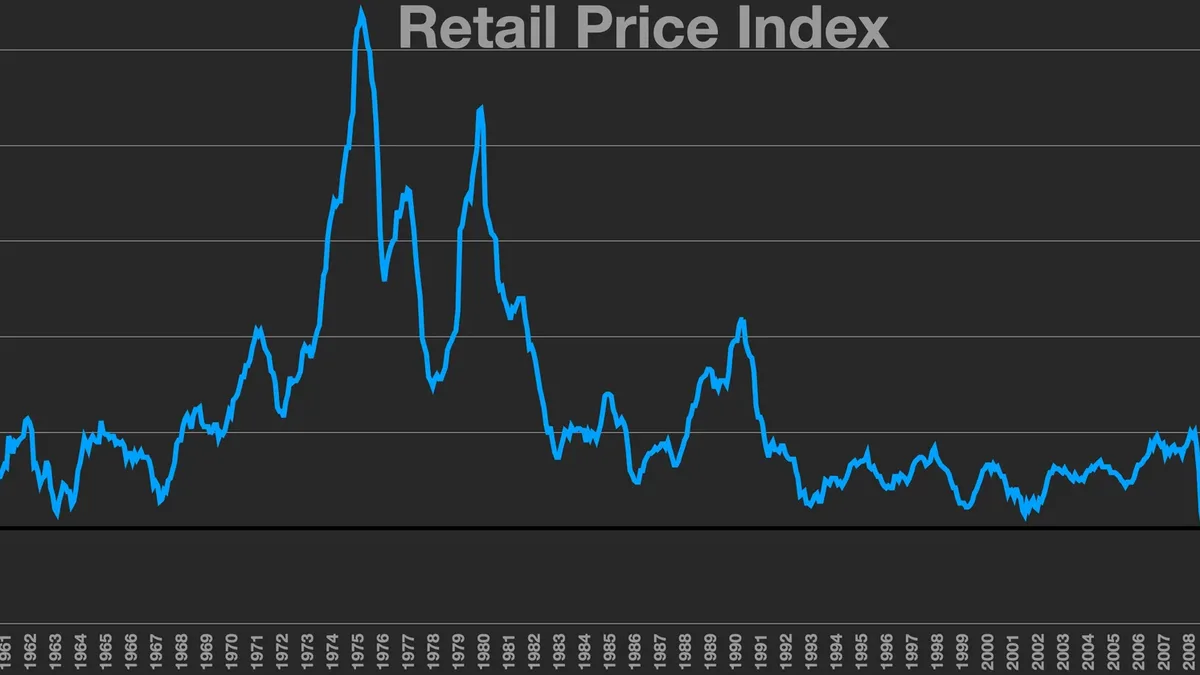
Inflation directly diminishes the real value of the fixed interest payments and principal returned at maturity from Your First Investment. If the instrument's annual return is lower than the annual inflation rate, the investor loses purchasing power despite the nominal account balance increasing. The stated interest rate may be a nominal rate, and the real rate of return is only calculated by subtracting the inflation rate from this nominal figure. During periods of unexpectedly high inflation, this real return can turn negative, which is a key risk for this otherwise low-risk product. Some national variations of the instrument may offer an inflation-linked version, where the principal or interest payments are adjusted based on a official inflation index, but the standard version typically has a fixed rate. Understanding this dynamic is crucial, as the safety of the principal can create a false sense of security regarding the investment's true effectiveness as a wealth-building tool.
Common questions
Investors frequently ask if Your First Investment can lose money, to which the answer is that the nominal principal is generally guaranteed by the issuing government entity, but its real value is not protected from inflation. Another common question concerns liquidity, as these instruments usually have a fixed maturity date and early redemption may be impossible or involve a substantial penalty, forfeiting some or all accrued interest. People often inquire about tax treatment, which varies by jurisdiction but commonly involves tax on the interest earned, further reducing the net return when combined with inflation. Many wonder how it compares to a standard bank savings account, with the key difference being the fixed term and typically higher rate in exchange for lost liquidity. Questions also arise about reinvestment risk, specifically what to do upon maturity when the investor may face a different interest rate or inflation environment. Finally, individuals ask about the process for purchasing, which is usually straightforward via designated banks but requires formal identification and adherence to subscription periods.
Pros and cons
A primary advantage is the sovereign guarantee on the principal, providing exceptional security against default and making it suitable for capital preservation. It instills disciplined saving through its fixed lock-in period, preventing impulsive withdrawals. However, a significant con is its vulnerability to inflation risk; in a high-inflation environment, the real return can be negligible or negative, effectively costing the saver money in terms of purchasing power. The common mistake is investors viewing the nominal interest rate in isolation and celebrating a numerical gain while overlooking the erosion caused by inflation. Individuals who often regret choosing it are those who lock in funds for multiple years only to see inflation surge and market interest rates rise, leaving them unable to access their capital to seek better returns. The low liquidity is a double-edged sword, providing discipline but also representing a genuine opportunity cost if financial needs change or more attractive investments become available.
Who it suits
This instrument suits absolute beginners who prioritize the safety of their initial capital above all else and need a simple, non-intimidating introduction to formal investing. It is appropriate for individuals with a specific savings goal aligned with the instrument's maturity period, such as saving for a down payment in three to five years. Conservative investors nearing retirement or those with a very low risk tolerance may allocate a portion of their portfolio to this instrument for its stability. It also suits individuals who lack the time, interest, or confidence to monitor financial markets or choose between more complex assets like stocks or funds. Parents or grandparents looking to create a first investment account for a child may find it suitable due to its symbolic safety and educational value regarding saving. Finally, it can serve as a temporary holding vehicle for emergency funds that are not immediately required, provided the investor is confident they will not need early access.
Latest Your First Investment news
Latest reporting

Father controls $800k Roth IRA investments
A 56-year-old investor's $800,000 Roth IRA, funded by parents and 100% in stocks per his father's directive, is causing a conflict over investment...

Michael Burry Doubles Down on JD.com Stock
Michael Burry has shifted his investment from Alibaba to JD.com, citing Alibaba's high valuation and AI investment concerns, while highlighting...
How to Boost Your Social Security Checks
This article explains two key actions to increase future Social Security benefits: correcting earnings record errors and raising current income.

HGLG11 FII Launches 12th Share Issuance to Raise Up to R$1.5 Billion
The HGLG11 real estate investment fund (Patria Log) has announced its 12th share issuance, aiming to raise up to R$1.5 billion for new property...

Ferrari's First Electric Vehicle Sets Auction Record at $40 Million
Ferrari's first fully electric car, the Luce, sold for $40 million at a Sotheby's charity auction, breaking the record for the most expensive new car...