Oil Surge Above $100 Fuels Inflation Fears Before Rate
Brent crude oil prices surpassed $100 a barrel for the first time since July, driven by escalating Middle East conflict.
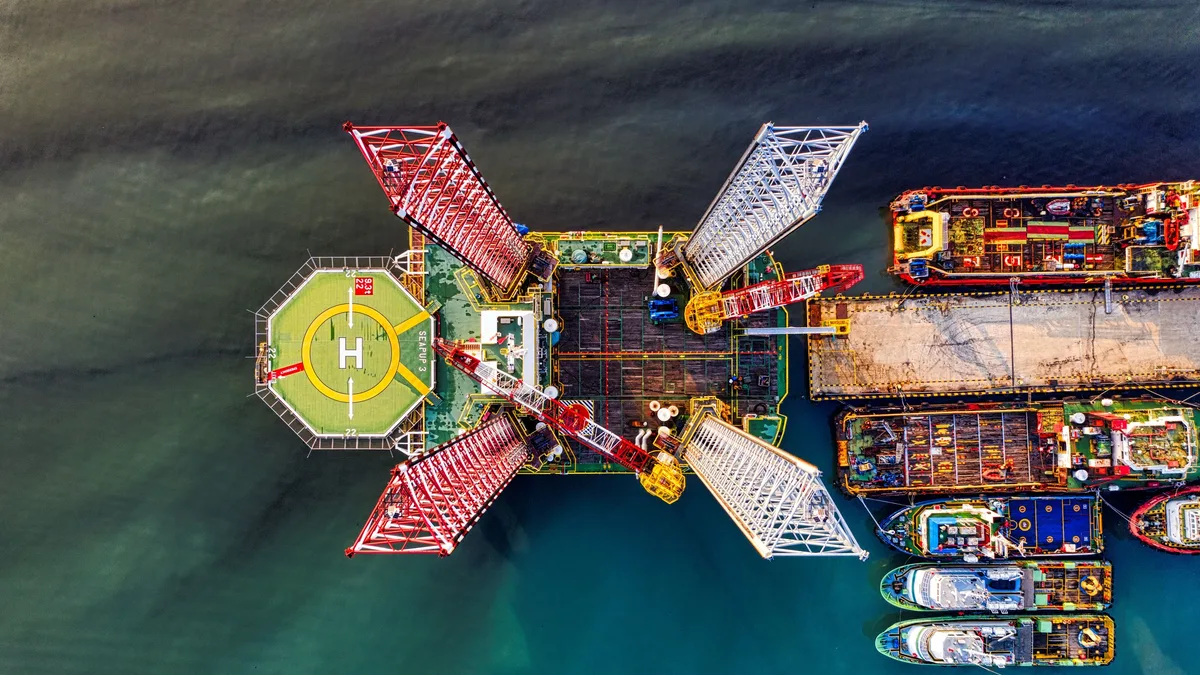
Global oil prices surged above $100 a barrel on Wednesday, September 9, 2026, for the first time in seven weeks. The move, driven by escalating Middle East tensions, has revived fears about inflation and energy supply disruptions ahead of key central bank meetings.
Brent crude's contract for November delivery climbed nearly 3% to $100.79 a barrel, reaching its highest level since July 24. West Texas Intermediate's October contract also advanced over 3% to $95.84 a barrel, hitting its highest point since early June, according to FactSet data. Both major oil benchmarks have risen more than 60% since the start of the year and are up about 10% so far in September.
| Benchmark | Contract Month | Price (USD/barrel) | Daily Change | Year-to-Date Gain |
|---|---|---|---|---|
| Brent Crude | November 2026 | 100.79 | +2.99% | >60% |
| West Texas Intermediate | October 2026 | 95.84 | +3.04% | >60% |
Market Reaction and Inflation Concerns
Lukman Otunuga, head of market research at FXTM, said the price move is a significant psychological milestone. "Brent breaking above $100 is a major psychological milestone for markets, but the bigger concern is what this means for inflation," he stated. Otunuga warned that a prolonged oil shock could keep price pressures raise and complicate the path for central banks handle a difficult policy environment.
Patrick Munnelly, a market strategist at Tickmill Group, echoed these concerns in a note. He pointed out that with Brent up more than 60% year-to-date, renewed security concerns are tightening the market's focus on supply fragility and the risk of stagflation.
Geopolitical Triggers for the Spike
The price surge followed a series of military actions in the Middle East. The U.S. Central Command announced late Tuesday that it attacked five Iranian crude-oil vessels. Four were in the Gulf of Oman and one was near Kharg Island, which handles 90% of Iran's oil exports. The U.S. Also reported that Iran's Revolutionary Guard Corps targeted a U.S. Navy warship with ballistic missiles twice in the preceding two days.
Iran said it responded by launching strikes at a U.S. Military base in Jordan, eight ships including two U.S. Navy vessels, and eight oil tankers it claimed were attempting to pass through a prohibited part of the Strait of Hormuz.
Separately, Saudi Aramco halted operations at some of its oil refineries in Saudi Arabia after Yemen's Houthi rebels attacked energy and civilian sites. The attacks wounded 73 people in Jazan, Najran, Abha and Khamis Mushait. The Houthi group accused Saudi Arabia of attacking a prison in Yemen's northern city of al-Hazm on Monday, killing seven people including one child.
Implications for Central Bank Policy
The oil price increase places greater importance on upcoming inflation data, particularly the U.S. Consumer-price-index report for August due on Friday. According to Lukman Otunuga of FXTM, the recent uptick makes this data particularly critical. He noted that markets are being pulled in two directions, with higher energy prices strengthening the case for tighter monetary policy while softer underlying inflation could give central banks a reason to remain cautious.
Investor expectations for a Federal Reserve rate hike have shifted. Fed-funds futures traders were pricing in a 39% chance of a 25-basis-point hike by the Fed next week, down from over 60% the previous week, according to the CME FedWatch Tool. The data this week could determine which narrative wins in the eyes of policymakers.