Tech Stocks Plunge on AI Spending Fears
U.S. tech stocks fell sharply for a second day, led by steep declines at Intel and Alphabet, as Amazon's earnings reignited investor fears over massive AI investment commitments.
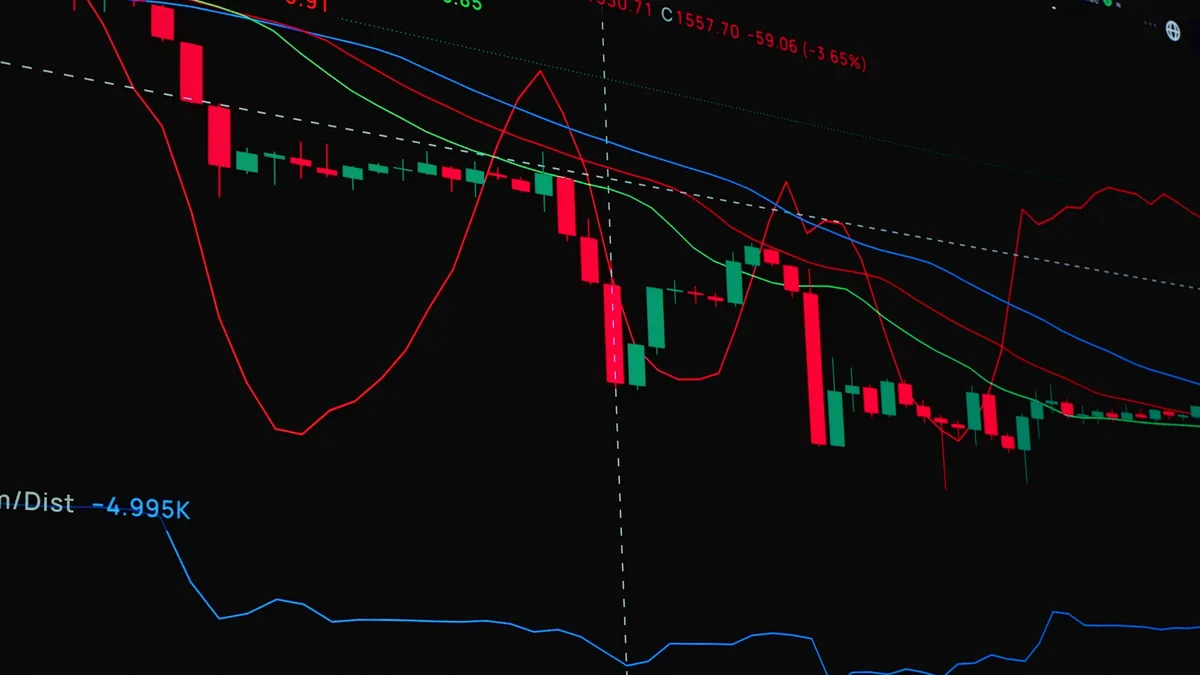
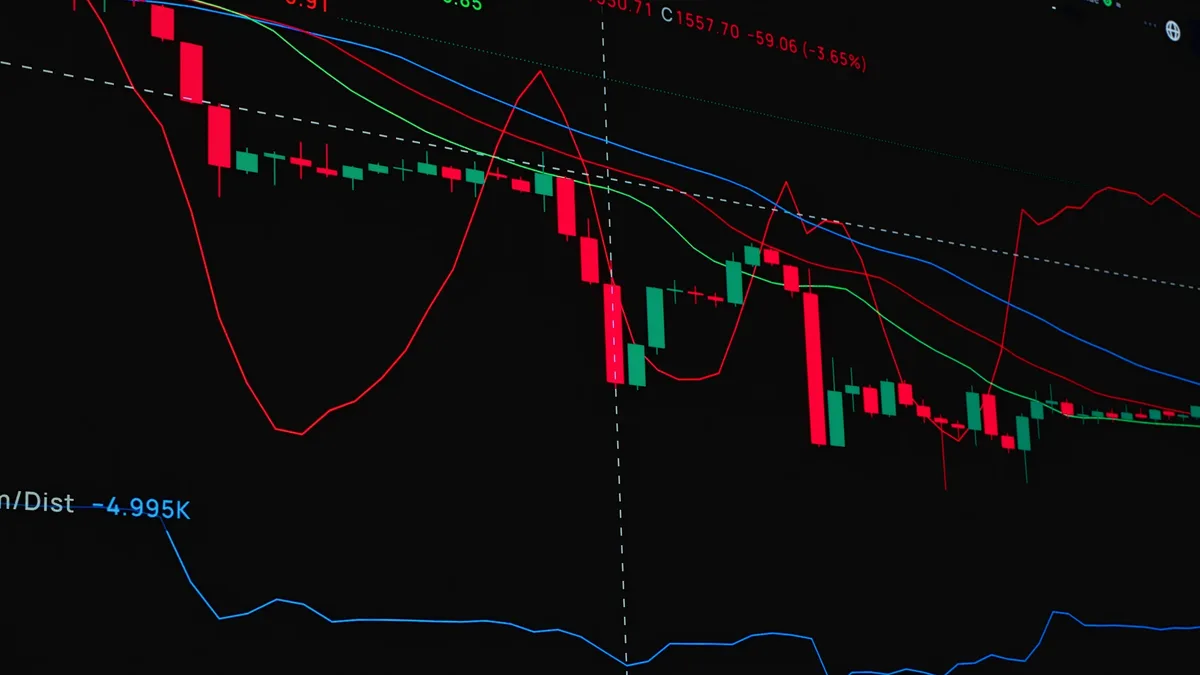
Tech stocks have fallen due to AI spending fears. The Nasdaq dropped more than 3.5% in its worst monthly slide since March 2025, with futures down 2.4%. U.S. tech stocks fell for a second straight day after Amazon's earnings reignited AI spending fears. Alphabet shares fell more than 12% on Thursday, contributing to a 1.4% decline, while the S&P 500 futures were down 1.1%.
Company performances
Individual tech companies have experienced significant stock falls. Intel's stock plummeted by 28% on Friday, with shares falling as much as 30%, wiping out roughly $130 billion in market value. Reddit shares plunged 29% after reporting weaker-than-expected daily user figures. Roblox stock fell 18%, as daily active user numbers dropped nearly 20%. Amazon shares dropped as much as 6% in overnight trading.
| Company | Stock Decline | Key Detail |
|---|---|---|
| Intel | 28% (Friday) | Shares fell as much as 30%; ~$130bn value loss |
| 29% plunge | Weaker-than-expected daily user figures | |
| Roblox | 18% fall | Daily active user numbers dropped |
| Amazon | Up to 6% (overnight) | Earnings reignited AI spending fears |
| Alphabet | >12% (Thursday) | ~$500bn market value loss over period |
Spending commitments
Major tech companies have committed to significant spending on AI and other investments. Meta, Alphabet, Oracle, Amazon and Microsoft have committed to spending $800.6 billion in 2026. Total AI spending is projected to reach $1 trillion. Alphabet expects to spend up to $205 billion this year on investments. Amazon has outlined a $220 billion investment, a six-fold increase in its spending.
Economic context
The decline in tech stocks is part of a broader economic landscape. European stocks were mostly lower despite mixed economic data. The Eurozone's third-quarter GDP beat expectations, with Germany's preliminary GDP at +0.2% quarter-on-quarter versus +0.1% expected. France's economy contracted in Q3, while Spain's growth slowed slightly and Italy's preliminary GDP was flat.
Inflation trends diverged across the continent. German state inflation cooled in October, but France saw inflation heat up again. Spain's inflation remains stubbornly high near 5%, and Italy's preliminary CPI came in at +5.4% year-on-year versus +4.6% expected.
Other markets showed varied movements. The Swiss Franc and Japanese Yen led, while the U.S. Dollar lagged on the day. WTI crude oil rose 2.2% to $104.25. Gold fell 1.2% to $3,971. The 10-year Treasury yield dropped 8 basis points to 4.908%. Bitcoin was down 1.8% to $77,448.
Despite the recent selloff, the Nasdaq is still up 7.8% over the last year, with Amazon up 8%. Alphabet has decreased 1.3% over the same period. David Zinsner of Intel said, "Looking ahead, we see the PC slowdown continuing." Analyst Kathleen Brookes observed that "investors have turned ruthless" in punishing stocks where spending outweighs immediate returns. Investors will be closely watching the spending commitments of major tech companies.