U.S. Stock Futures Fall on Rate, Iran Fears
U.S. stock futures declined on August 30, 2026, as Federal Reserve Chair Kevin Warsh's hawkish Jackson Hole comments raised the probability of a September
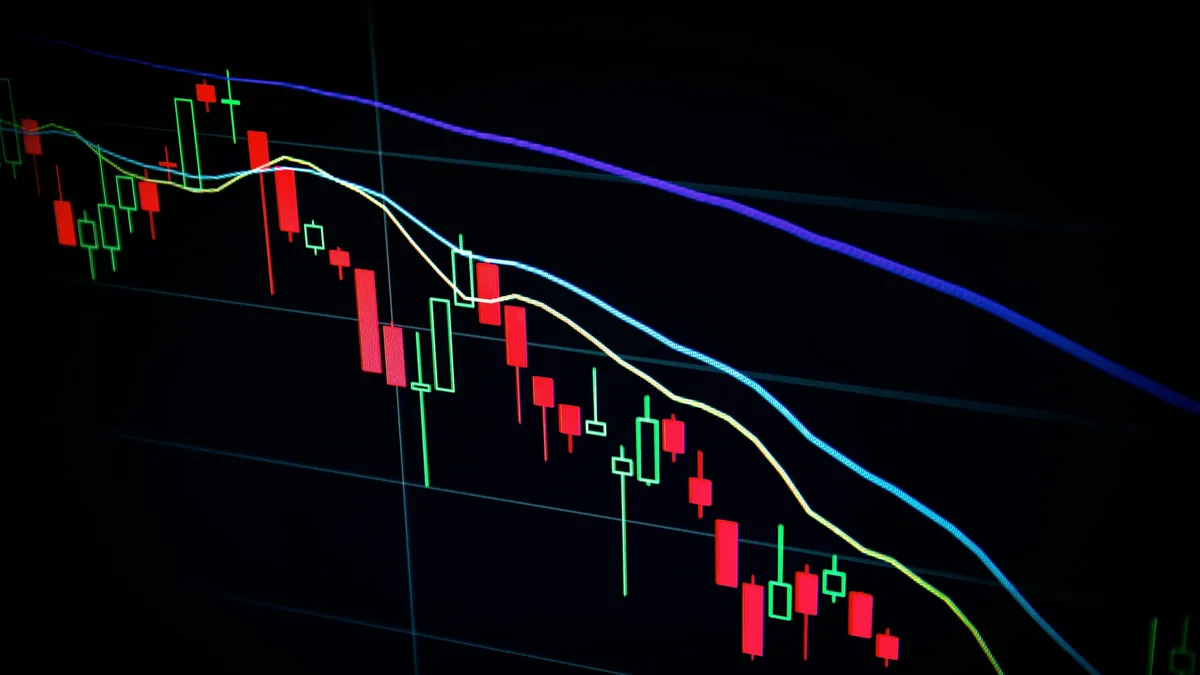
U.S. stock-index futures fell on Sunday, August 30, 2026, as investors weighed a heightened chance of a Federal Reserve interest-rate hike and renewed military clashes between the U.S. and Iran. The probability of a rate increase at the Fed's September meeting jumped to 63% late Sunday, according to the CME's FedWatch tool, up from 40% before Fed Chair Kevin Warsh's Friday speech.
Dow Jones Industrial Average futures were down about 190 points, or 0.4%, as of 11 p.m. Eastern. S&P 500 futures dipped 0.5% and Nasdaq-100 futures were down about 0.7%. The moves followed a volatile Friday session where stocks closed lower after Warsh's comments, though major indexes still posted weekly gains.
Market Futures and Commodity Moves
Key futures and commodity prices moved sharply in late Sunday trading. The table below shows the movements reported by MarketWatch.
| Instrument | Change |
|---|---|
| Dow Futures (YM00) | -0.28% |
| S&P 500 Futures (ES00) | -0.34% |
| Nasdaq-100 Futures (NQ00) | -0.38% |
| Bitcoin (BTCUSD) | -1.64% |
| West Texas Intermediate Crude (CL.1) | +2.13% |
| Brent Crude (BRN00) | +2.47% |
Oil prices surged more than 2% after a weeks-long quiet spell in the Iran war was broken. U.S. officials stated American forces had struck Iranian rocket launchers along the Strait of Hormuz, according to the Associated Press. Iran vowed to retaliate, and missiles were reportedly fired at U.S. bases in Jordan in response.
Stephen Innes, managing partner at SPI Asset Management, called the attacks "a fresh reminder that this conflict still has plenty of dry tinder lying around." He noted the timing was bad for markets. "Oil does not need to return to crisis levels to matter here," Innes wrote. "It merely needs to remain expensive enough to prevent inflation from behaving as neatly as the Fed would like."
Federal Reserve Shift at Jackson Hole
The primary driver for the market's reassessment was Federal Reserve Chairman Kevin Warsh. Speaking at the Jackson Hole Economic Symposium on Friday, Warsh expressed concern about high inflation and opened the door to an interest-rate hike at the Fed's next meeting. His remarks caused a significant jump in short-term Treasury yields. The 2-year yield rose 0.118 percentage points to 4.348% on Friday.
Innes described a subtle but important shift in market psychology. "Before Jackson Hole, the market largely asked what the economy would need to do to force the Fed back into tightening," he said. "Now the question is increasingly what the economy has to do to keep the Fed from tightening, and that subtle shift in the burden of proof is what the bond market understood first."
Weekly Market Performance
Despite the Friday sell-off triggered by Warsh's comments, all three major stock indexes finished the week in positive territory. The weekly gains were led by the technology-heavy Nasdaq Composite.
| Index | Weekly Change |
|---|---|
| S&P 500 (SPX) | +0.5% |
| Dow Jones Industrial Average (DJIA) | +0.5% |
| Nasdaq Composite (COMP) | +0.9% |
The S&P 500's gain marked its fourth weekly advance in the past five weeks. The Trump administration also announced a deal late Friday to assert control over a vast amount of Venezuela's oil reserves, though the Associated Press reported the plan leaves many practical questions unanswered and may take years to come to fruition.