Citi Reiterates Buy Rating on Tumbling Oracle Stock
Citi analyst Tyler Radke argues the software firm's steep 2026 sell-off is driven by technical pressures, not broken fundamentals, and reiterates a $330 price target.
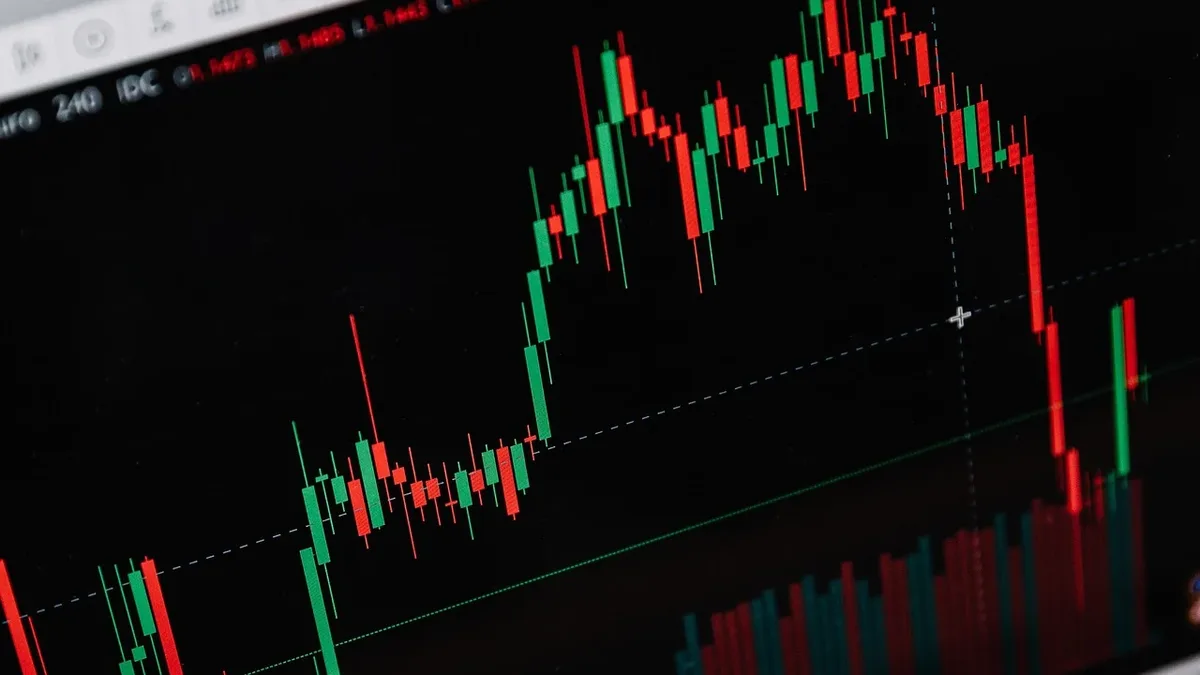
Citi has told investors to consider buying the software firm's stock after a brutal 2026 sell-off. Analyst Tyler Radke reiterated a Buy rating and a $330 price target on August 26, arguing the worst is already priced into the company's shares.
The company's stock is down about 23% year to date and sits roughly 56% below its record high of $345.72, set on September 10, 2025. Citi also placed the business on a 90-day positive catalyst watch.
Why Citi Believes the Sell-Off Went Too Far
Tyler Radke, Citi's co-head of U.S. Software equity research, believes the stock dropped for mechanical reasons rather than a fundamental business breakdown. He pointed to a summer collapse where the firm lost more than half its value in roughly 30 to 40 trading sessions, bottoming at $114.50 in late July.
Radke called that a "four to five standard deviation move" against the stock's normal volatility. In plain terms, such a large and fast move is statistically rare, which he reads as panic selling rather than a considered repricing.
The Technical Pressures Now Easing
Radke identified several forces that pushed the share price down and that he expects to ease. These include credit spread widening due to debt worries, aggressive share issuance to fund data centers, and forced selling tied to negative sentiment.
He told CNBC that a major source of selling pressure would disappear if the firm's management signals it is finished with its equity issuance program. The core of the buy-the-dip case is that removing forced selling lets the stock trade on fundamentals again.
The Company's Mixed Fundamental Picture
The firm's fundamentals show both strength and worry. The business reported finishing fiscal 2026 with a remaining performance obligations backlog of $638 billion, up 363% year over year. Cloud infrastructure revenue grew 93% in the quarter.
That massive backlog represents contracted future revenue, giving the company unusual sales visibility. However, funding that buildout is expensive. Total liabilities jumped from $147.4 billion to $218.7 billion in a year, and one credit rating agency has already downgraded the firm.
Free cash flow has turned deeply negative as data-center spending accelerates. Radke blames technical selling for the drop while acknowledging the business's credit rating is close to falling below investment grade.
The AI Infrastructure Angle
Radke's optimism is partly drawn from the wider AI economy. Demand for AI computing power has stayed strong at other cloud providers, and Citi expects that demand to support the firm's pricing and margins on new contracts.
The company has become a main destination for renting computing capacity for AI work, placing it alongside fast-growing names like CoreWeave and Nvidia. This shifts its investment profile from a legacy software company to an AI infrastructure company, with associated growth and spending risks.
The Firm's Performance Versus the Market
A comparison shows how sharply the stock has underperformed this year.
| Metric | The Company | S&P 500 / Peer |
|---|---|---|
| Year-to-Date Change | Down ~23% | Posted gains |
| Drawdown from Sept. 2025 Peak | ~56% below $345.72 | Far deeper than most large-cap tech |
| Performance vs. AI Peer Nvidia | Moved opposite direction | Nvidia climbed on strong earnings |
This underperformance is why Citi sees a potential setup for a sharp recovery if sentiment turns.
**The Path to a $330 Price Target**
The $330 target depends on specific developments. First, management must confirm the share issuance program is done. Second, the firm needs its next major update to reassure investors on funding.
Radke flagged the company's investor day at the end of October as a key catalyst, where management could show new deals carry higher upfront payments. The firm's next earnings report is expected in early to mid-September, providing an earlier checkpoint for investors.
Radke's target is far above the Wall Street average of $257.79, placing his call at the bullish end of the spectrum. For investors considering the stock, the next two months will test whether forced selling is truly over or if debt worries prevail. The $330 figure represents a best case, not a base case.