US Stocks Fall on Bond Yield and Oil Price
Major US stock indices declined as rising Treasury yields and elevated oil prices weighed on investor sentiment ahead of key economic data.
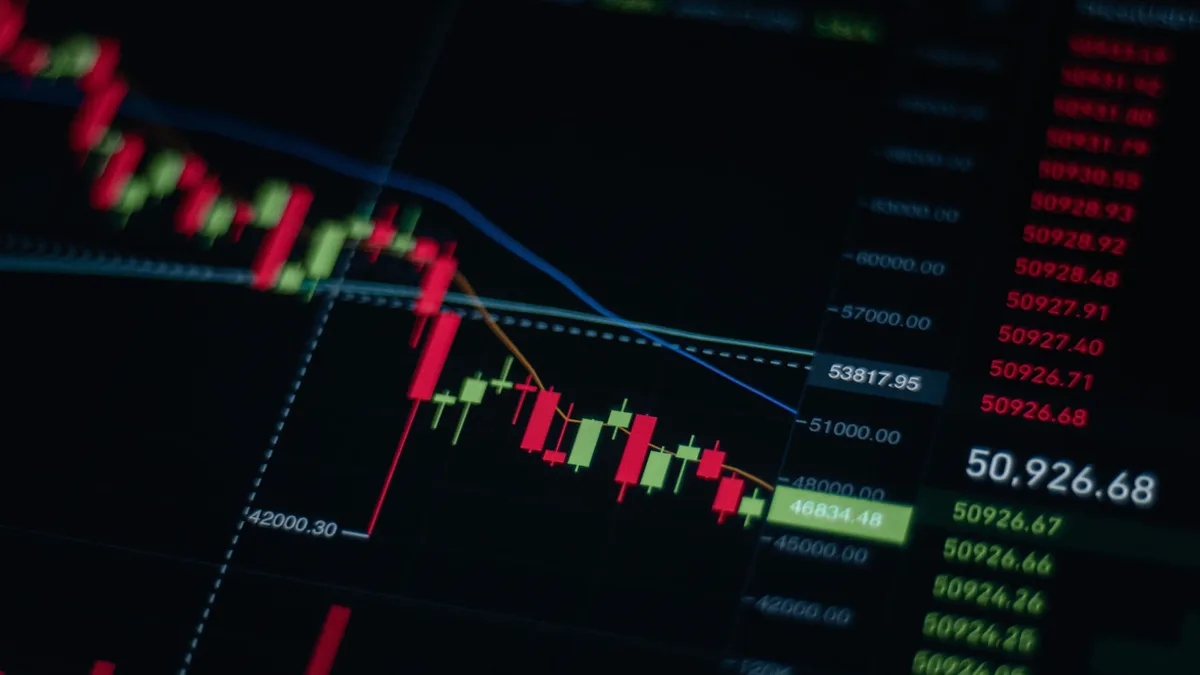
US stocks fell on Tuesday morning. The Dow Jones Industrial Average slid 0.8%, the S&P 500 lost 0.7%, and the Nasdaq Composite dropped roughly 0.9%. The declines followed a strong August and came as investors grappled with rising bond yields and geopolitical tensions affecting oil prices.
Bond Yields Climb to Multi-Month Highs
US Treasury yields continued to rise. The yield on the 10-year note reached 4.78%, its highest intraday level since January 2025. The 30-year yield climbed to 5.26%, hovering near multi-decade highs. According to Yahoo Finance's Brian Sozzi, this worldwide bond sell-off intensified with a ferocity that should alarm investors.
Miller Tabak strategist Matt Maley noted the stock market's previous resilience.
Oil Prices Surge on Strait of Hormuz Incident
Crude oil prices remained elevated. Brent futures, the global benchmark, traded above $93 per barrel. Prices rose after news that two oil supertankers were struck while attempting to exit the Strait of Hormuz. No one claimed responsibility for the attacks, which renewed market jitters over the US-Iran conflict.
US Treasury Secretary Scott Bessent made a striking statement about the strategic waterway. Speaking at a G20 meeting, he said the Strait of Hormuz would soon be worthless due to current and planned pipeline capacity that bypasses it.
Economic Data and Fed Outlook
The latest economic data offered a mixed picture. The JOLTS report showed job openings ticked up slightly to 7.3 million in July. Hirings moderated to 5.1 million. Data from the Institute for Supply Management showed US manufacturing activity expanded for an eighth consecutive month, though the pace slowed slightly.
Deutsche Bank economists now see a Federal Reserve rate hike as the most likely outcome of the September meeting. In a client note, they cited a hawkish shift in commentary from Fed officials, including a surprisingly forceful speech by Chairman Kevin Warsh. The economists believe communications over the past week have established a hike as the most likely policy outcome, barring significantly negative incoming data.
Key Market Moves
| Index/Ticker | Change | Key Level/Note |
|---|---|---|
| Dow Jones (^DJI) | -0.8% | |
| S&P 500 (^GSPC) | -0.7% | |
| Nasdaq (^IXIC) | -0.9% | |
| 10-Year Yield (^TNX) | Rising | 4.78%, highest since Jan 2025 |
| 30-Year Yield (^TYX) | Rising | 5.26%, near multi-decade highs |
| Brent Crude (BZ=F) | Rising | Above $93/barrel |
Earnings reports from Dell and Palo Alto Networks were due to provide insight into corporate spending on technology and cloud services. TD Cowen analyst Jaret Seiberg suggested a potential sweet spot for banking mergers and acquisitions could open after the November midterm elections, lasting through March 2027.