Mizuho Cuts Intel Price Target to $92 Despite Tailwinds
Mizuho Securities cut its Intel price target from $109 to $92, citing valuation concerns, despite identifying four growth tailwinds including AI demand and
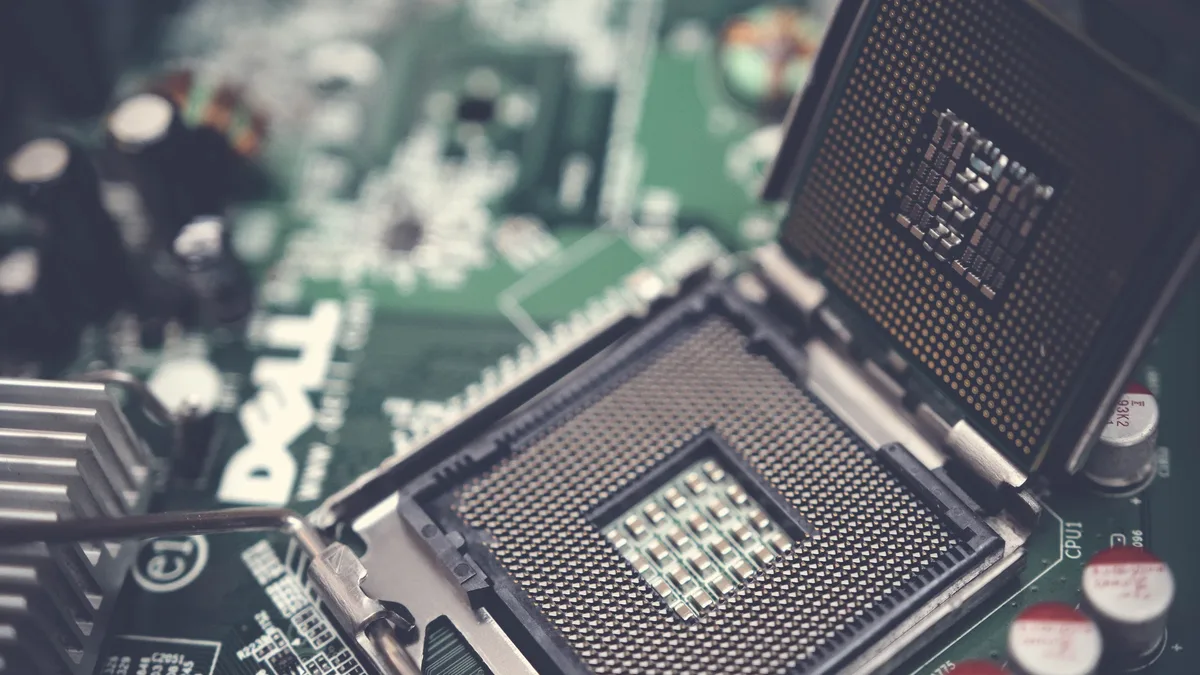
Mizuho Securities lowered its price target for Intel stock from $109 to $92 on September 3. The firm maintained a "Neutral" rating, pointing to short-term valuation compression across stocks linked to agentic artificial intelligence.
This cut comes despite the analyst firm outlining four significant tailwinds that could support Intel's growth. Mizuho analyst Vijay Rakesh highlighted these potential positives. Accelerating demand for agentic AI could improve the balance between CPU and GPU sales and drive more server upgrades. Ongoing CPU supply constraints might leave the company unable to fully meet demand through 2027.
Identified Growth Drivers
Mizuho's analysis points to several specific areas of potential growth for the chipmaker. Advanced packaging revenue is projected to reach $3.5 billion by 2029. External foundry revenue could also hit a similar level through the company's 14A manufacturing node. Finally, a stronger personal computer refresh cycle, fueled by corporate upgrades and memory market tightness, could extend the upgrade period for consumers and businesses.
Intel's recent financial performance has been strong. The company reported its second-quarter 2026 results on July 23, surpassing Wall Street expectations. Revenue reached $16.1 billion, a year-over-year increase of about 25%. This marked the company's fastest growth rate since 2011. Adjusted earnings per share were $0.42, also beating estimates.
The Data Center and AI segment was a standout, with revenue soaring 59% to $6.3 billion. Businesses driven by artificial intelligence now constitute roughly 70% of Intel's total revenue. This was the seventh consecutive quarter where Intel exceeded its own guidance.
| Metric | Q2 2026 Result | Analyst Expectation |
|---|---|---|
| Revenue | $16.1 billion | $14.4 billion |
| Adjusted EPS | $0.42 | $0.21 |
| Data Center & AI Segment Growth | 59% | N/A |
For the third quarter, Intel provided guidance above consensus estimates. The company expects revenue between $15.8 billion and $16.8 billion. It forecast adjusted earnings per share of $0.38. Chief Financial Officer Dave Zinsner stated the company is supply constrained, with data center demand exceeding current production capacity. Intel noted it is signing long-term supply deals with customers to lock in pricing and volume as it races to keep up with AI-related demand.
Valuation and Foundry Risks
The stock's valuation leaves little room for error, according to the analysis. Intel shares have rallied approximately 180% this year and now trade at nearly 50 times estimated 2027 earnings. With expectations already high, even a minor disappointment could put pressure on the stock price.
Key parts of Intel's bullish outlook remain unproven. The company's external foundry business opportunity is still in early stages. A potential engagement with Nvidia on advanced manufacturing nodes is only in early discussions. Rumored partnerships with OpenAI and Microsoft are also unconfirmed. The transition to new manufacturing nodes carries significant risks related to production yield and execution, especially when attempting high-volume production.
Intel's demand story appears credible, but the more optimistic estimates still depend on foundry customer commitments and yield improvements that have not yet been demonstrated at a large scale. This helps explain Mizuho's decision to lower its price target despite the list of positive catalysts.
Broader Analyst Sentiment
Despite the recent pullback in Intel's share price, the stock continues to trade at a high valuation. This is understandable given its perceived important role in the artificial intelligence sector. According to ratings compiled from 46 Wall Street analysts, the stock has a mean target price of $113.90. This average suggests a potential 17% upside from current levels. Analysts indicate these targets could be revised upward if Intel successfully manufactures its 18A process node at scale.
Intel's stock has gained nearly 300% over the past twelve months. A significant portion of that gain is linked to increasing interest from the U.S. government in seeing the company succeed. The company's closest competitor, Advanced Micro Devices, has also seen its stock rise about 200% over the same period, riding the same AI boom.