SpaceX Spectrum Acquisition Boosts Tower Shares, Pressures Wireless Stocks
SpaceX's purchase of a nationwide 800 MHz spectrum portfolio for its Starlink Mobile service triggered a sharp divergence in telecom and tower company stocks, with legacy carriers falling and infrastructure operators rising on expectations of new demand.

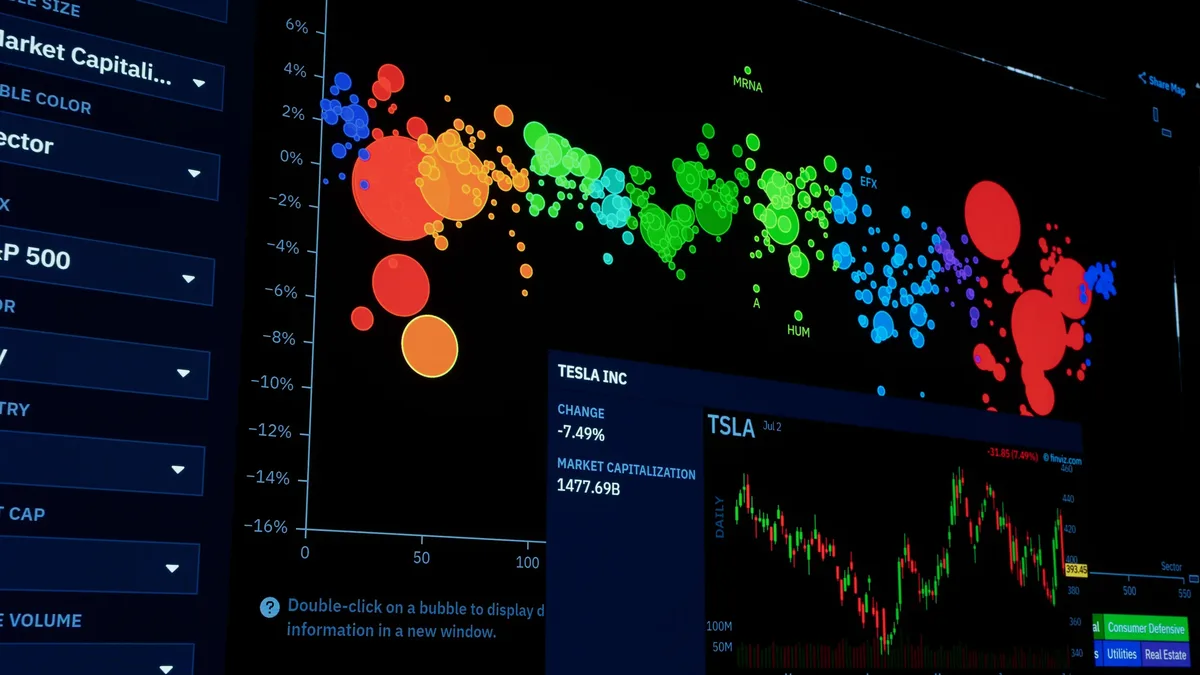
SpaceX reached a definitive agreement on Thursday, Oct. 8, 2026, to purchase Grain Management's nationwide 800 MHz spectrum portfolio. The announcement triggered immediate moves in telecom and tower stocks, with traditional carriers declining and tower operators rising on expectations of increased demand. T-Mobile US shares were down more than 6%, while Verizon Communications shares were off almost 6%. Shares of AT&T, T-Mobile, and Verizon were crushed in afterhours trading. In contrast, Crown Castle's stock rose 7%, American Tower's stock climbed 5%, and SBA Communications shares rose 6% in Thursday's extended session. Shares of SpaceX rose 2% in after-hours trading following the announcement.
Strategic implications for Starlink Mobile
The acquisition would give SpaceX government-issued licenses granting the exclusive right to transmit wireless data over specific low-band radio frequencies across designated geographic areas. Upon FCC approval, Starlink Mobile will combine its satellite-to-mobile constellation in space with its newly acquired terrestrial network. This positions Starlink to challenge legacy wireless giants across the US. Following its strategic acquisition of terrestrial spectrum and rapid deployment of advanced satellites, SpaceX had laid the groundwork to launch its own standalone cellular network alongside its direct-to-cell capabilities. Analyst Madison Rezaei said the acquisition makes the upcoming launch of Starlink Mobile, slated for 2027, more cost-effective.
Analyst view on tower industry catalyst
Bernstein analyst Madison Rezaei argues the deal validates the long-term value of cell towers and could reverse years of valuation decline for tower companies. Tower companies have seen their valuations come down in the past few years as wireless carriers pulled back spending after the initial 5G buildout. Shares of Crown Castle have fallen almost 60% over five years. "Tower multiples are deeply depressed, and the stocks are looking for a catalyst against a rising-rate backdrop," Rezaei wrote. The analyst added that the deal 'could put some wind back in the TowerCos' sails.' American Tower, Crown Castle and SBA should be well-positioned to capture new rental revenue, according to Rezaei.
Rezaei offered a note of caution, stating, "Buying spectrum is not a commitment to build a nationwide network." However, the analyst added, But this is the spectrum we thought SpaceX needed to make that option more credible, and less expensive.
Infrastructure constraints and leasing outlook
Due to tight limits on new tower construction, SpaceX will likely rely on leasing from existing tower operators, creating a recurring revenue opportunity for major players. Local zoning, power and labor constraints cap new U.S. tower construction at just 1,200 to 2,000 structures per year. As a result, SpaceX would have to lease existing space from major tower operators. Bernstein estimates SpaceX's total network cost would span $50 billion to $130 billion and its network would require anywhere from 30,000 to 120,000 tower locations.
Broader competitive threat to legacy carriers
SpaceX’s integrated approach threatens traditional wireless providers’ core businesses, including enterprise, rural, and roaming revenue streams. Concerns had already escalated across Wall Street that Starlink could disrupt legacy wireless operators by transitioning from rural broadband to a direct mobile competitor. The expansion threatens traditional carriers' high-margin enterprise, emergency service, and rural subscriber bases, as well as lucrative international roaming revenues.
AT&T CEO John Stankey commented on Starlink's moves at a recent conference. He said Starlink has a fantastic broadband solution in airlines and flights today and is a very efficient way to get good bandwidth to people in rural parts or territories. Stankey said there will be IoT-type applications, like connecting vehicles largely outdoors with line of sight to the sky, where Starlink will have opportunities. He suggested a complementary dynamic where carriers could solve other use cases and aggregate traffic for satellite operators like SpaceX to use in the wholesale market. SpaceX will need FCC approval before combining its satellite and terrestrial networks to launch Starlink Mobile.